Opinion · September 6, 2026
iPhone Ultra vs OLED iPad mini: The $2,000 Mistake
Apple is about to sell us two devices with nearly the same screen size when you open them, and the more expensive one has worse cameras. Before you spend two grand, work out whether you want one device that does everything or two devices that stay out of each other's way.
Apple is about to ask us a very strange question: do you want a small tablet, or a phone that becomes one? The OLED iPad mini we’ve been waiting years for is finally coming, and so is the foldable iPhone, the iPhone Ultra. Open that one up and it’s basically an iPad mini with a hinge.
One of them costs about $650. The other starts at about $2,000. Here’s the full video.
So let’s work out which one you actually need, and more importantly whether you need either, especially if you’ve already got an iPad sitting on your desk all day.
One thing before we start. Neither of these has been announced. Everything below is leaks, supply-chain chatter and references Apple has been quietly slipping into macOS release candidates, which is usually the tell. I’ll be clear about which is which, and I’ll have hands-on reviews when they’re real.
What we actually know about the iPad mini
The mini is basically finished. The headline change is the OLED display, which would be a big deal on any device and is a bigger one here, because this is the iPad you take to bed. So many of us now lie in the dark with these things, and proper blacks instead of that grey backlit haze is the single best upgrade this device could have got.
Supply-chain conversations point to a Samsung-built hybrid OLED panel at roughly 8.4 inches, a whisker up from the 8.3 we have now. Just enough to render your current accessories useless, which is very Apple. One report has pushed as high as 8.7 inches, but I’d bet on 8.4, because Apple won’t want the mini creeping up on the regular iPad.
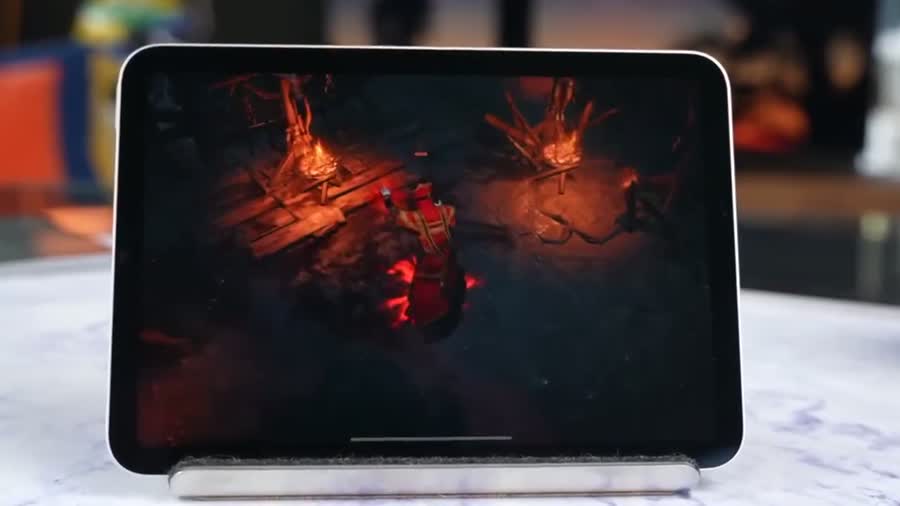
Now the controversial bit. Several leakers reckon it’s still a 60Hz display. I really hope that isn’t true, because Apple wants you to draw on this thing and read on it. Another very Apple decision if it holds, and you can bet I’ll have plenty to say about it come October.
What I keep hearing from the apologists is that regular consumers don’t care about 120Hz. Maybe they’re right. But you’re the person buying it, so you tell me whether you care about ProMotion in 2026.
Better news elsewhere: it looks like we’re getting the A20, up from the A17 Pro, plus a new speaker system. Not many people asked for that, but some very specific users, pilots among them, will appreciate it more than you’d think. There’s a new Apple Pencil expected in the same window too.
Then the price, which is where it gets ugly. The current mini was about $500. OLED panels genuinely do cost more than LCD, so let’s not pretend otherwise, but I think $649 is optimistic and $699 wouldn’t shock me. That’s salty, and it’s my first red flag.
Where the mini sits, and why people love it
The mini has always been the odd one out. It’s extremely popular, and the people who use it adore it, but it isn’t the cheapest iPad and it isn’t the productivity iPad either. That’s the Air, or the Pro if you want to push it.
The mini is the iPad you buy because of the size, and for no other reason.
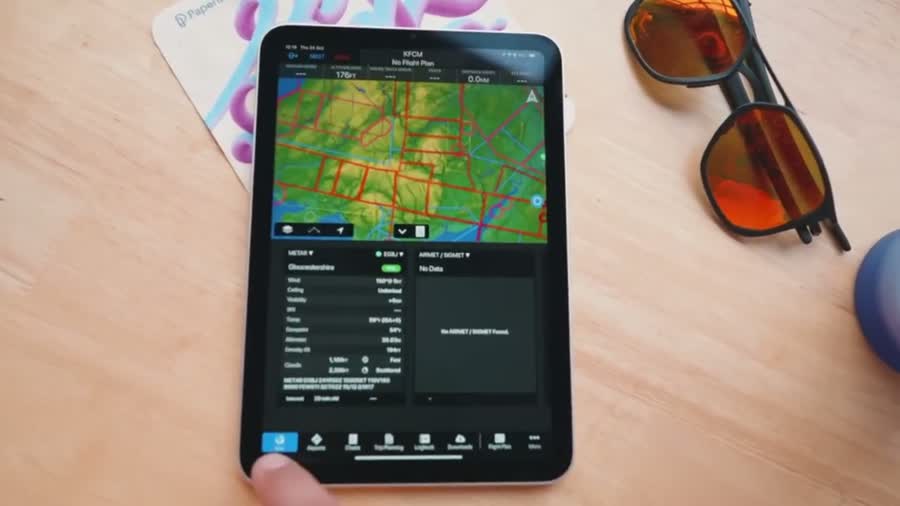
I’ll be honest, I’ve got this wrong before, because I’m not really the target buyer. But you’ve told me in the comments: pilots love them, doctors buy them, and anyone who reads a lot swears by them. It’s the only iPad you can hold in one hand for two hours without your wrist complaining.
Which is precisely the problem. Apple is about to launch a second product that does exactly that, and it lives in your pocket.
The thing everyone gets wrong about the foldable
A naming note first: we’ve all been calling it the iPhone 18 Ultra, but everything coming out of Apple now points to it simply being the iPhone Ultra.
Here’s what surprised me when I checked the numbers. Everyone assumes a foldable gives you an iPad mini in your pocket. It doesn’t.
The inner display is 7.8 inches, with one leak putting it at 7.76. The mini is 8.3 going on 8.4. The mini is simply bigger, and while half an inch of diagonal doesn’t sound like much, in a 4:3 shape that’s a noticeable chunk of reading area. I’ve been testing exactly this with the Fold 8 and the Fold 8 Ultra.
Then the cameras, and this one’s big for me. Two lenses, a 48MP main and an ultrawide, and that’s it. No telephoto, much like the Fold 8. On a $2,000 flagship. According to the leaks, testers love almost everything about this phone except the camera, and the experience otherwise is going to be hard to beat this year.
You also lose Face ID. It’s Touch ID in the side button, just like an iPad.
And the third thing: it runs iOS, not iPadOS. I’m confident Apple will do something clever with multitasking, probably two apps side by side and some iPad-style sidebars, and that’ll be lovely. But you don’t get iPad apps, you don’t get Stage Manager or proper windowing, and crucially I don’t think you’ll be sketching on this. The Pencil experience stays with the iPad.
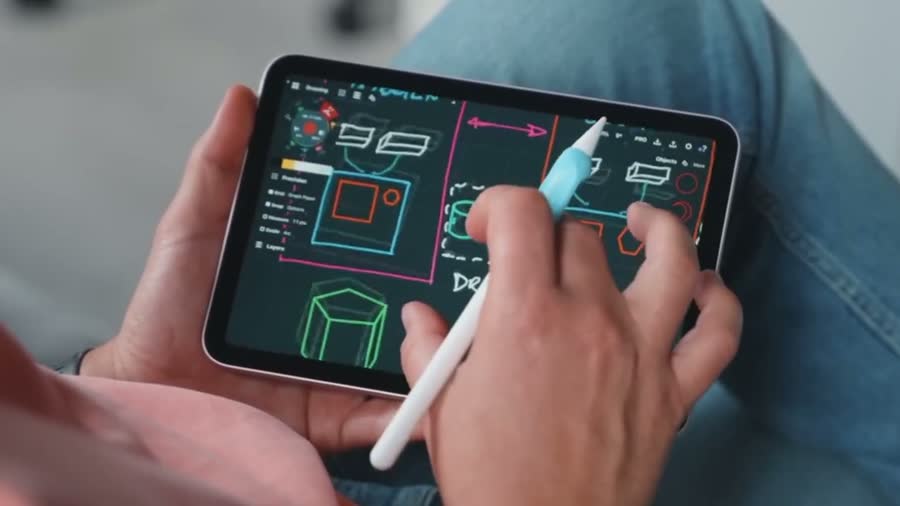
This is going to be a very expensive iPhone with a big screen, which is brilliant. It just isn’t an iPad.
So is the OLED mini worth it?
Yes, with one condition. Buy it if you want your phone and your tablet to stay separate.
I don’t mean that in a precious way, I mean it practically. The value of the mini isn’t the screen size, it’s that it’s a different experience altogether. It doesn’t ring. It doesn’t buzz. It hasn’t got your Slack and Teams on it, unless you decide it has. You pick it up to read, to draw, to watch something, and then you put it down.
That boundary is worth real money to some of you, and I count myself in that group. If that’s you, £650 or even £700 for an OLED mini with a modern chip is a fine buy.
But if what you actually want is one device that does everything, be honest with yourself: the iPhone Ultra is the better purchase. You’re carrying it anyway, you get the big screen in your pocket all the time, and there’s no second thing to charge. I’d expect Apple to get aggressive with trade-in deals too, because they’re walking into a market already flooded with foldables.
Go in with your eyes open
If you’re buying the Ultra, know what you’re trading:
- a smaller screen than the mini, not bigger
- no telephoto, which at this price is a genuine downgrade from the 18 Pro
- Touch ID, not Face ID
- iOS, not iPadOS
- and the painful one, two grand minimum, climbing past $2,500 once you add storage, which I’d never recommend on this anyway
On top of that there’s depreciation. One study reckons you could shed over $1,000 in the first year, which is insane. You’re paying a lot for the novelty.
There’s also supply. It’s expected to be very tight, with a decent chance the Ultra is US-only to begin with. If you’re on this side of the Atlantic, the mini might be the only one of the two you can actually buy this year.
If you already own an iPad, ask yourself one question
Where does your iPad currently live?
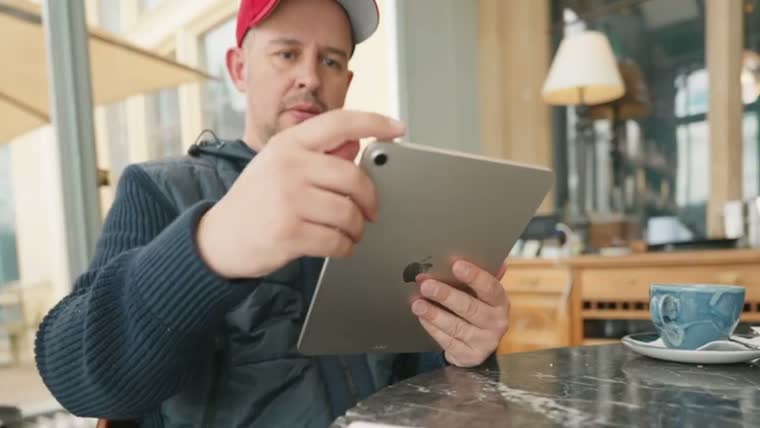
If it lives on your desk or your coffee table, and you keep wishing you’d brought it with you, then the mini is the one you’ll actually carry, and you’ll love it.
If your current iPad already goes everywhere with you in a bag, skip the mini entirely. You’d be buying a smaller version of a device you’re already happy with.
Where I’ve landed
Mini, Ultra, or neither? I’m genuinely curious how this splits.
And the usual: Apple doesn’t send me any of these, so I’ll be buying it with my own money, same as I have for the last five or six years.