Smartphones · Samsung vs Honor
Galaxy S26 Ultra vs Honor Magic 8 Pro: The Brutal Truth
Verdict
The safe bet against the boundary pusher. If you want the ultimate productivity all-rounder with the best automation and a more immersive screen, the S26 Ultra is the reliable pick. If you prioritise battery, eye comfort, or that 200MP telephoto, the Magic 8 Pro is the better fit, and honestly the most exciting option of the two.
Round by round
The smartphone market is usually a tale of two philosophies. On one side, the safe bets: massive brands defending their territory. On the other, the boundary pushers, brands with the freedom to experiment. Honor has thrown the kitchen sink at the Magic 8 Pro, packing an absurd battery and a 200MP telephoto lens. Samsung is banking on its tried and tested formula, hoping ecosystem polish and innovations like the privacy display hold the line.
The question: does raw, brute-force hardware actually translate to a better phone? The full mega-review is on YouTube, and I’ve shared the untouched photo and video samples on Google Drive (link in the video description) so you can judge without YouTube’s compression.
Displays: two very different bets
At a glance the Samsung is simply bigger. Look closer at the top of each screen and the philosophies diverge. Samsung has a pinhole camera, expanded slightly to 4mm this year. Honor has the magic pill, a Dynamic Island-style cutout with genuinely sleek software: tap to expand, drag to windowed mode, control timers and music. But in a full-screen video or a game it becomes a dead zone that carves into your content in a way a 4mm dot doesn’t. I really don’t like it.
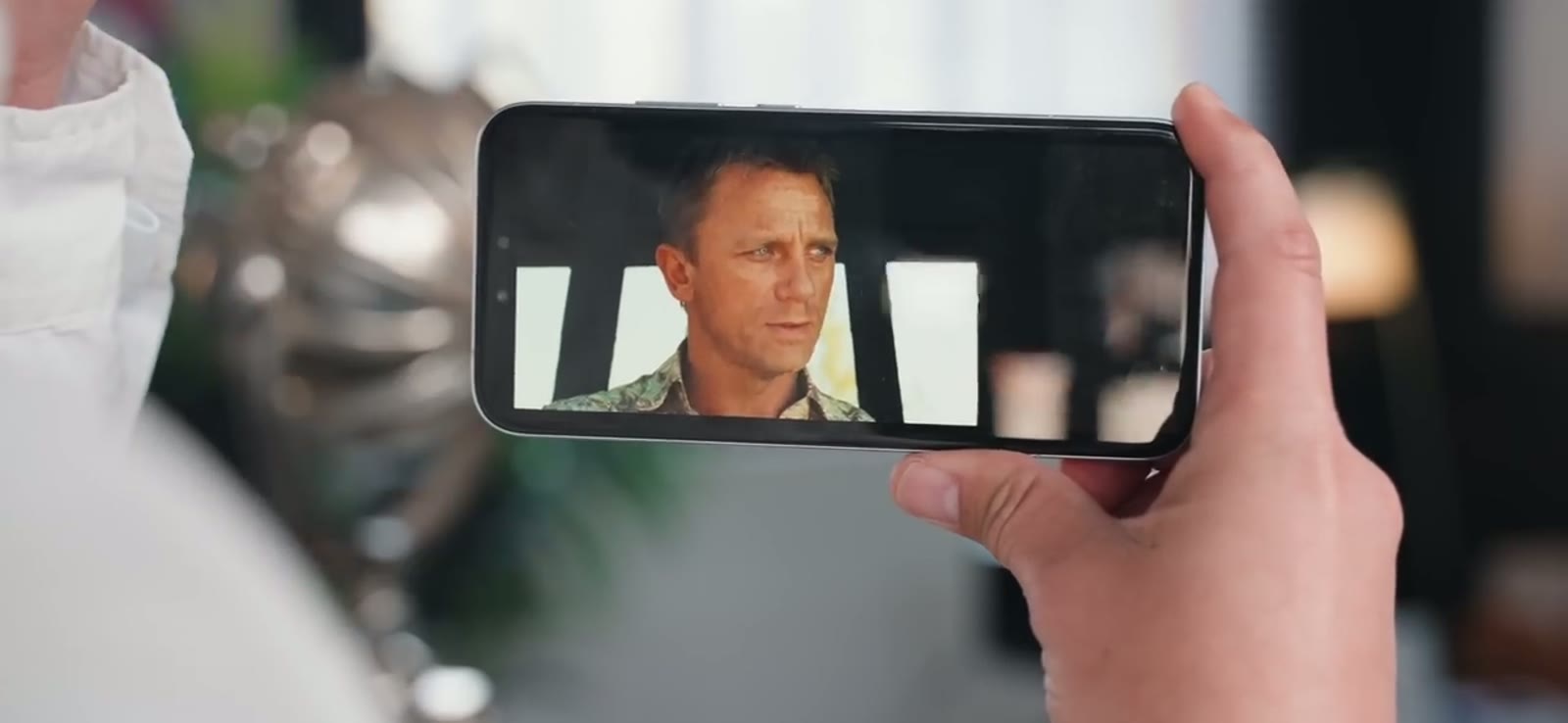
The cynical analyst in me has to admit why it’s there, though: hidden inside is a 3D depth sensor giving you banking-grade face unlock that works in pitch black. Samsung relies entirely on its ultrasonic fingerprint scanner, which is blazingly fast, but wet hands or gloves at a train station and you’re typing your password.
On the panels: Samsung’s new M14 OLED is insanely efficient, hits 2,600 nits, and wears that glorious anti-reflective armour glass, plus the industry-first privacy display. Very cool tech, at a cost. PWM dimming is capped at 480Hz, noticeable if you’re flicker-sensitive, and there’s a permanent hardware tax: at certain tilts you get a colour shift and a slight polarising grain whether privacy mode is on or not. Worth it to me; a possible downgrade if you’re coming from an S24 or S25 Ultra and don’t care about the feature.
Honor went the other way entirely: 4,320Hz PWM dimming (switch it from Classic to Comfort), plus an AI defocus mode that mimics real focal depth to relax your eyes. If you read your phone in bed, Honor is miles ahead here, and not just of Samsung.
Performance: the brutal test, head to head
Both run the Snapdragon 8 Elite Gen 5 (Samsung’s “for Galaxy” version), and each individually smashed the iPhone 17 Pro Max in my heavy-game-plus-4K-export test. Against each other? The S26 Ultra runs it flawlessly: no lag, no dropped frames, switch back and forth all you like. The Magic 8 Pro runs it nearly as well, with an occasional one-second stutter when switching back to the game. Then the twist: with both phones cool and idle, the Honor finished a standalone export 5 seconds faster, which I wasn’t expecting given the spec sheet. Call this one even.
Battery: the blood bath
It’s almost unfair. Honor ships a second-generation silicon carbon cell: 6,270mAh here in the UK (trimmed from China’s 7,200mAh to comply with EU aviation rules, which tells you something), charging at 100W. Samsung ships a traditional 5,000mAh lithium-ion cell at 60W.
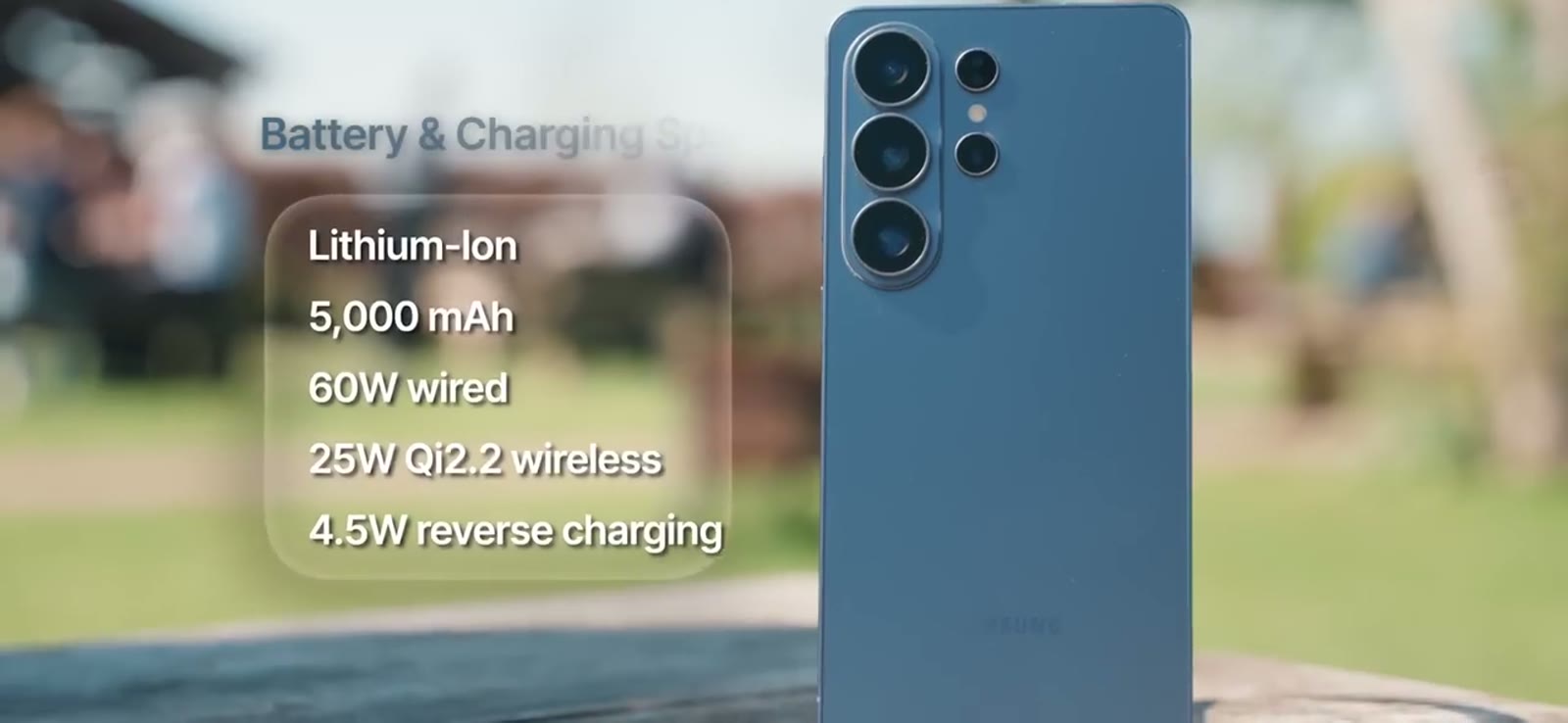
On my shooting-day test: by 1:20pm the S26 Ultra was at 74%, the Honor at 80%. By mid-afternoon, after a few 4K sessions: 46% against 63%. I’ve carried the Magic 8 Pro since November through Vegas, Europe and the UK, and on heavy shoot days the battery simply will not die.
I understand Samsung’s caution. Their safety standards, the Note 7 memories, all of it. But Honor is on generation two of this technology. The apex predator can’t keep playing it this safe.
Software: gold standard vs genius tricks
One UI 8.5 is the undisputed gold standard for Android productivity: the S Pen, DeX, and the badly underrated Modes & Routines, which now pairs beautifully with the privacy display (enable it automatically by location, for instance). Honor has nothing that comes close to that automation. But Magic OS 10 is incredibly fluid and has moments of pure genius: Magic Portal (circle anything with your knuckle for instant contextual actions), AI deepfake and voice-clone detection on calls, even eye tracking, which I’d love more developers to adopt for accessibility.
Cameras: the 200MP clash
The battle lines are unusual: Honor put its 200MP sensor on the telephoto, Samsung on the main lens.
On the main camera, Samsung wins. The f/1.4 aperture delivers clinical detail and natural bokeh, and point-and-shoot results are more true-to-life (switch the default to 24MP in Camera Assistant, it’s worth it). Honor’s f/1.6 50MP main is up there, but its colour science is too eager, punching saturation until skies look unnatural.
On the telephoto, the situation inverts. Samsung’s 50MP 5x is highly reliable and consistent. But Honor strapped a massive 1/1.4-inch 200MP sensor to its periscope, and when you punch in at night, the sheer physical size of that sensor makes the digital noise just disappear.
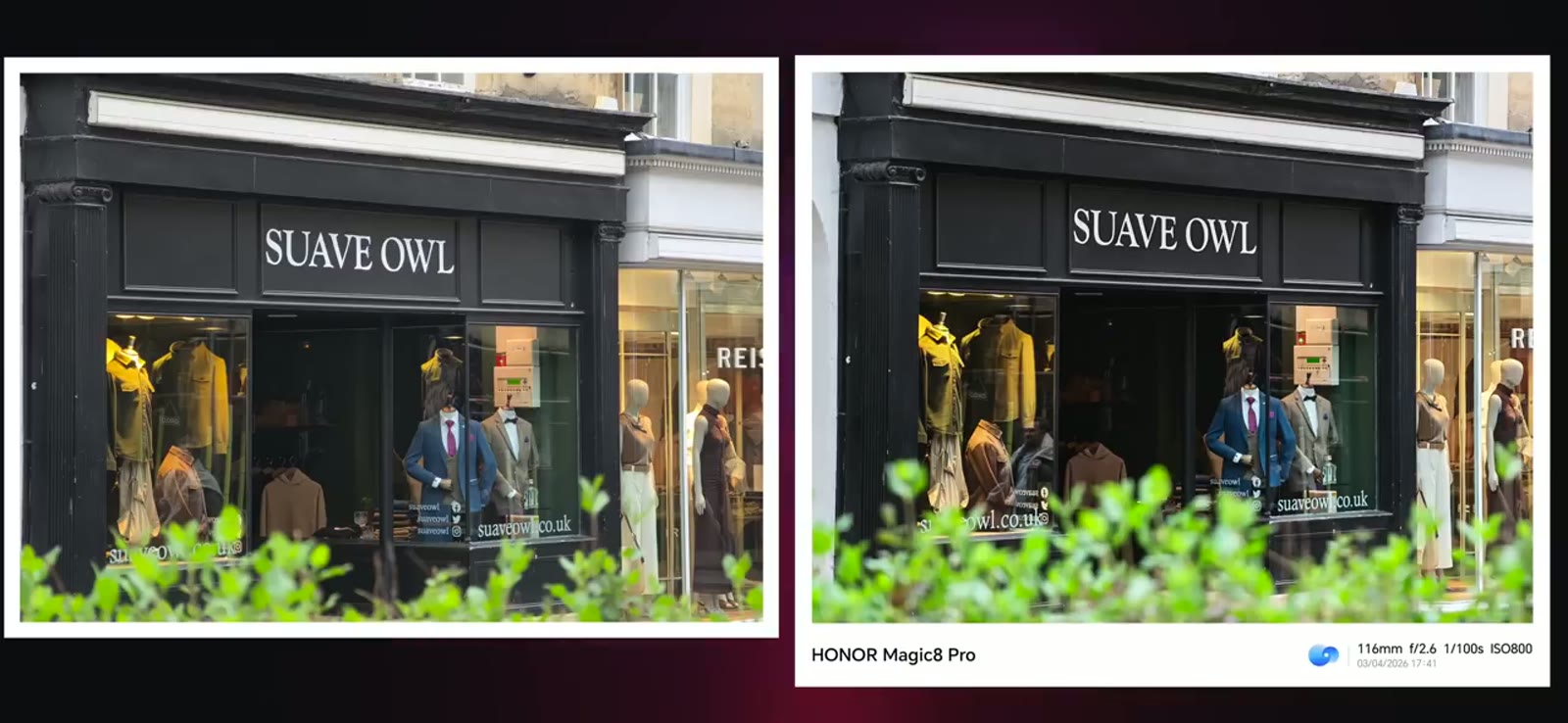
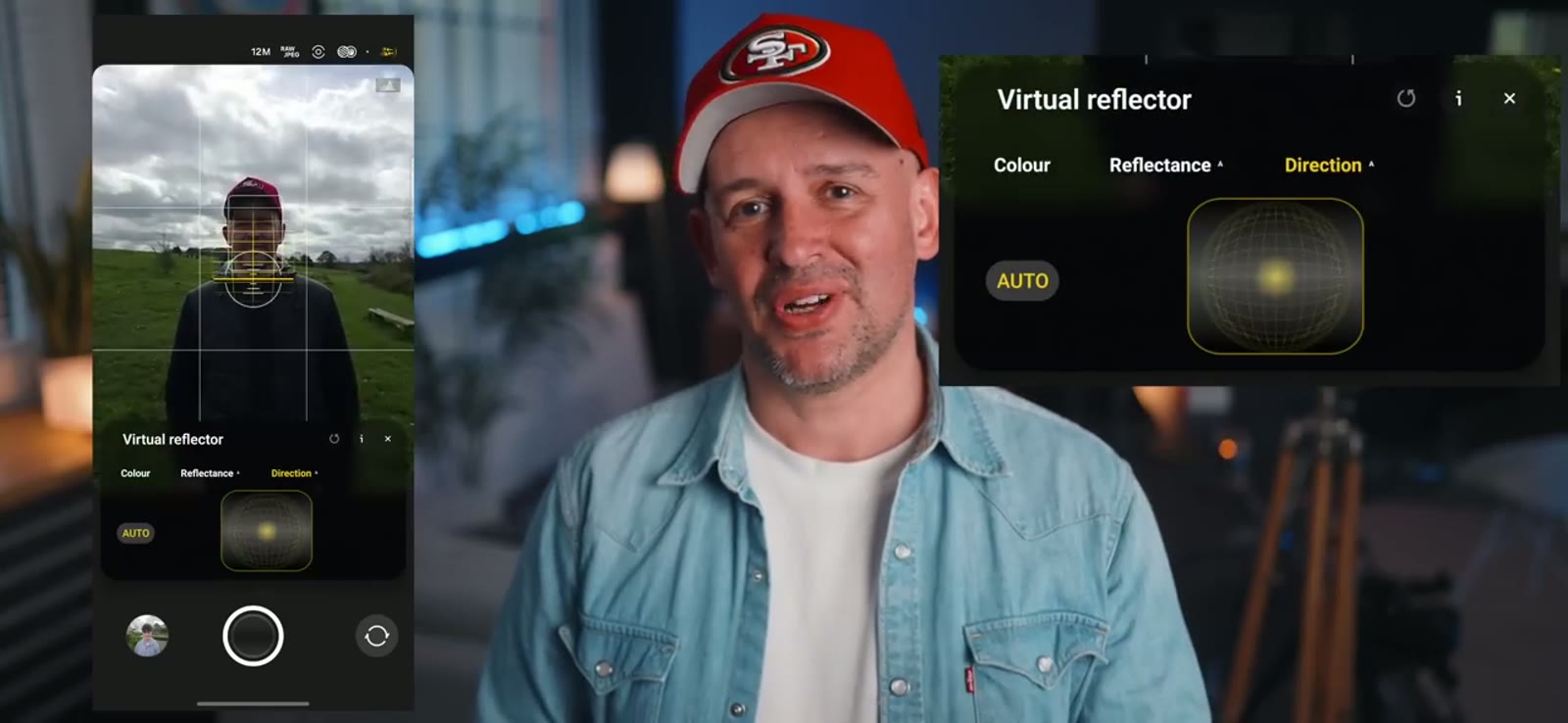
Portraits are a preference call: Honor captures noticeably more skin detail (younger faces will love it), Samsung’s softer approach flatters those of us past our foolish years. And one Samsung feature nobody talks about that I absolutely love: the virtual reflector. Backlit portrait? Add a virtual silver or gold reflector, control its level and angle, and rescue the exposure. Why this hides inside Camera Assistant and Expert RAW instead of the default camera is beyond me. If Apple shipped this, we would never hear the end of it.
Video is where Samsung is hard to beat this year, full stop. Honor’s optics are genuinely good and its telephoto video is actually more stable, but the processing oversharpens anything human. Selfie video, macro shots, skin: everything gets that harsh crispness, and there’s no sharpness setting to dial it back (GoPro manages it, Honor; so does Samsung). Meanwhile the S26 Ultra records log and APV log with cinematic LUTs applied on device, no computer needed. No phone matches that workflow right now.
The rounds nobody covers
Speakers: in a music test the Honor sounded fuller and a touch louder; movie dialogue was pure preference. And long-term reliability, which genuinely matters at this money: a Which? survey of over 15,000 phones found six-year fault rates of 13% for Samsung and 15% for Honor. Close. Samsung’s massive localised support network is the real difference if something does go wrong.
The verdict
No single winner this time, and that’s the honest answer. If you want the ultimate productivity powerhouse, the deepest customisation and automation, and the more immersive screen, the S26 Ultra is the best all-rounder and the safe, incredibly reliable bet. If you prioritise battery performance, suffer from flicker eye-strain, or want that 200MP telephoto, the Magic 8 Pro is your phone, and for me it’s the most exciting option of the two.
What’s stopping you from trying Honor? Genuine question, the comments are open. And if you want to see the S26 Ultra against the OPPO Find X9 Pro and the upcoming X9 Ultra, the battle of the Ultras is coming to the channel. Neither Samsung nor Honor had any say in this comparison; it’s 100% independent.