Smartphones · OPPO vs OPPO
OPPO Find X9 Ultra vs X9 Pro: Battle of the Camera Kings
Verdict
OPPO doesn't play the upsell game: the Pro isn't nerfed, it has a bigger battery and the same 200MP 3x telephoto. The Ultra earns its place with a true 10x optical lens and pro video features, but for many people the X9 Pro will be the best phone they ever own. The village and the racetrack, and most of us live in the village.
Round by round
There’s a frustrating trend in the smartphone world we’ve all quietly accepted: companies deliberately nerfing their base models to push you up a tier. Choosing the cheaper option shouldn’t mean choosing badly. And it seems OPPO doesn’t play that game, because the Find X9 Pro hasn’t been crippled at all. It has a bigger battery than the Ultra and the exact same 200MP 3x telephoto.
So does buying the Pro mean settling for an inferior camera? After pushing both to their limits for a full day, the results were genuinely surprising, and in places not what the price tags suggest. The full shootout is here.
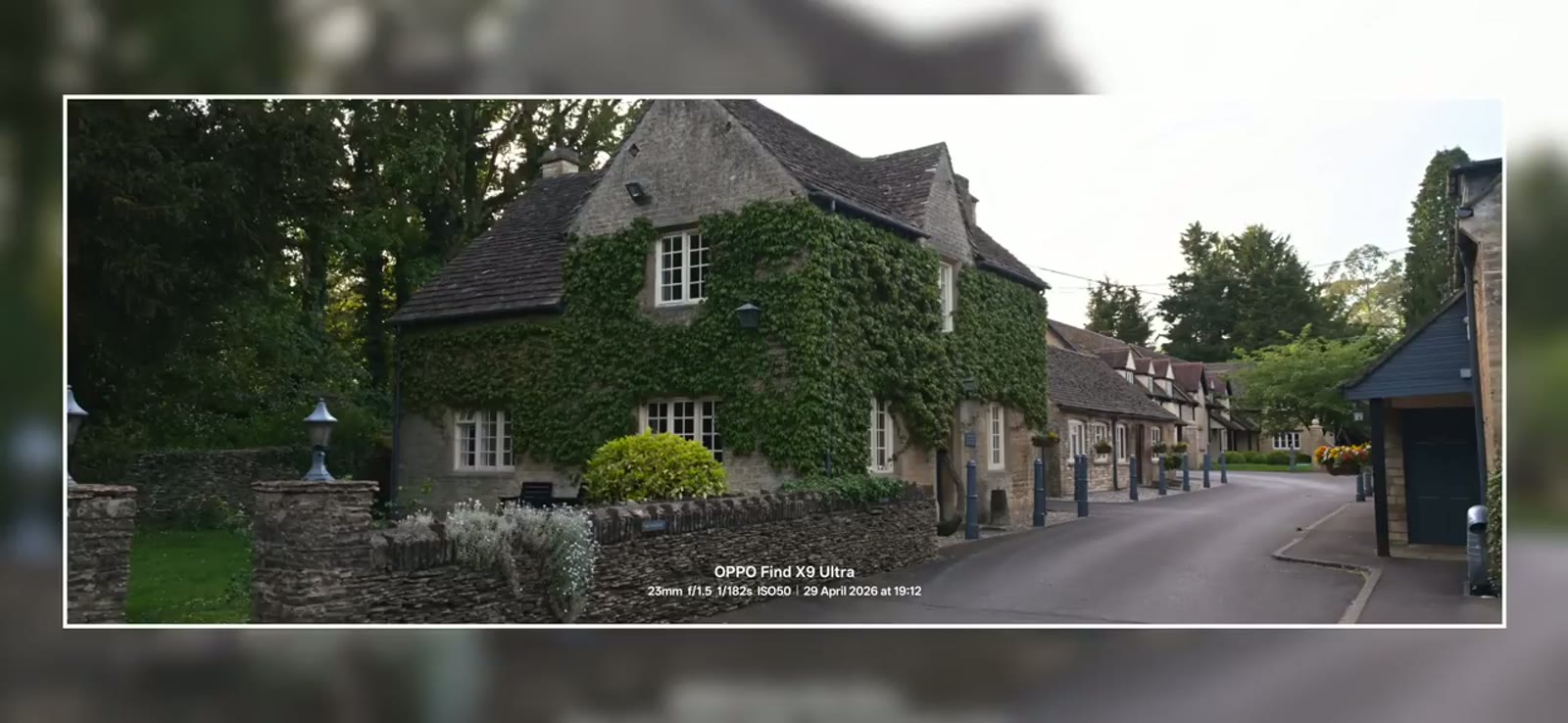
I took them both to Castle Combe in the Cotswolds, and the location turned out to be the perfect metaphor. A quiet, picturesque, reliable village sitting right next door to a racing circuit built for extreme performance. You could hear the engines from the churchyard.

The X9 Pro is the village: elegant, reliable, and beautifully handles what most people actually need. The Ultra is the racetrack: uncompromising, built for enthusiasts who want to push the absolute limits.
Main cameras: closer than the price suggests
Both give you that gorgeous Hasselblad colour science, which I love because it stops photos looking like generic smartphone output. The Ultra packs a 200MP 1-inch-type sensor; the Pro uses a very capable 50MP one. Both sit at f/1.5.
In daylight they are neck and neck. The detail on the stone here is superb on both, and I found myself zooming deep into Lightroom just to find where the Ultra might be pulling ahead. On this church I genuinely couldn’t decide: I preferred the sky on the Ultra and the stonework detail on the Pro.
Hasselblad portrait mode is where the Ultra takes a slight edge, in midtones and skin especially. I set both to f/2.8 as a sensible middle ground, and background separation was nearly identical. The Pro’s rendering is great but slightly more saturated, which makes the Ultra feel a touch more natural. Very close, though.
The elephant in the zoom
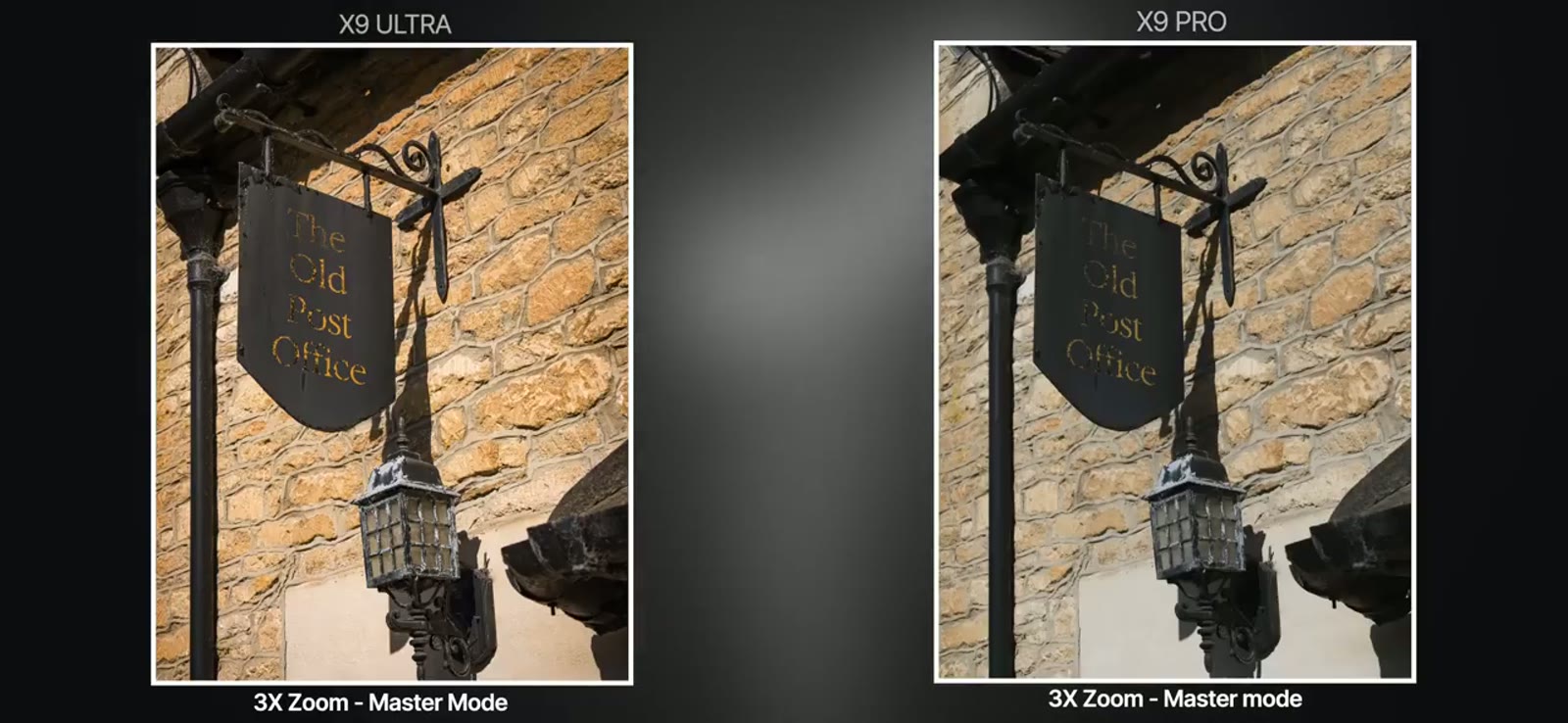
Both have the 200MP 3x telephoto, and at 3x they look very similar with a minor colour difference (I prefer the Ultra’s softer rendering; you might not). At 10x, the Ultra shines. Its dedicated 50MP true optical periscope is noticeably sharper when you punch in, and you simply cannot beat that physics.

That said, the Pro is doing an awesome job with a sensor crop off that huge telephoto, and if you saw my comparison against the iPhone 17 Pro Max, you know that camera is no joke. It’s going to take something special this year to beat the Ultra’s 10x lens.
Low light follows the same pattern: on the main and 3x lenses both pull in an astonishing amount of light without blowing highlights. Push past 5x in the dark, though, and the Ultra’s dedicated periscope with sensor-shift stabilisation is why it’ll be a photographer’s dream this year.
Battery: the Pro is the endurance king
Quick check at 2pm after a morning of 4K and RAW Max shooting: the Ultra at 59%, the Pro at 71%. That’s a considerable gap, and no real surprise. The Pro carries 7,500mAh against the Ultra’s 7,000, and its Dimensity 9500 runs cooler than the Ultra’s Snapdragon 8 Elite Gen 5 after heavy camera use. By the end of a brutal day the Pro still had 30% in the tank. Both survived; only one was comfortable.
One thing I noticed almost by accident: leave either phone face-up in direct sun for ten or fifteen minutes and the screen dims itself. My first thought was that something had broken. It’s by design, it’s thermal protection, and the Ultra (in this Tundra colour) hits it sooner than the white Pro. Just keep them shaded.
Video: the Ultra’s round, decisively
Both shoot 4K60. The Ultra adds 4K120 on the 200MP sensor, but the real advantage is OLOG 2 with your own LUTs applied on the phone. I can’t overstate how big this is for creators: Samsung now bakes in its own profiles but won’t let you add yours, and Apple needs an external SSD to record ProRes at all. Here you shoot, grade and go, on device. Convenience aside, that makes this a better colour-grading phone than either the iPhone 17 Pro Max or the S26 Ultra, both of which I brought along for reference.
Stabilisation goes to the Ultra too, CIPA 6.5 rated, and I appreciate that OPPO publishes an industry-standard figure instead of inventing a marketing name for it. XPan is gorgeous on both, though the Ultra gets two or three extra film looks I hope trickle down to the Pro, since it’s only software.
One genuine caveat for the Ultra: you can’t currently record to an external SSD, so shooting a lot of high-bitrate footage will eat your internal storage fast.
The selfie problem
I flagged the Ultra’s low-light selfie camera in my review, and I retested it here. The jelly wobble has improved with updates, but it’s still grainy and dark, and the screen “flash” only helps a little. The Pro’s low-light selfie footage is simply more usable. Small sensors struggle in the dark, but something needs fixing on the Ultra specifically.
The verdict
For a lot of people, the X9 Pro is going to be the best smartphone they’ll ever own. I called it my phone of the year in 2025, and it’s going to take some beating. The X9 Ultra is for those who want to take photography and pro video to another level, and its 10x optical lens and LUT workflow genuinely deliver that.
But if you don’t care about the 10x zoom or on-device grading, the X9 Pro remains devastatingly competitive, with better battery life into the bargain. The village or the racetrack. Most of us live in the village, and there’s no shame in that at all.
Still to come: I’ve just bought the Xiaomi 17 Ultra, and I’m teaming up with Darius from Darius Tech for a mega comparison of every Ultra, including the S26 Ultra, the X9 Ultra, the Xiaomi 17 Ultra and the Vivo X300 Ultra. That’s a lot of Ultras. Come along for that one.